
Collection: Crested Gecko Collection
Crested Gecko Care Guide
Crested geckos (Correlophus ciliatus) have gone from "rediscovered in the wild in 1994" to one of the most popular pet geckos on the planet, and it's not hard to see why — they're calm, they come in an enormous range of colours and patterns, and unlike most reptiles, they don't need a blazing-hot basking lamp or a live insect colony to stay healthy. That said, "easy" doesn't mean "no effort." Here's what you actually need to know before bringing one home.
Quick Facts
- Species: Correlophus ciliatus
- Size: Around 20cm snout-to-tail as adults, weighing 35-45g
- Lifespan: 15-20+ years in captivity with proper care
- Temperament: Docile and easy to handle once settled, but naturally skittish and quick to jump — not a snake-style "sit still and be held" pet
- Origin: New Caledonia (Grande Terre and the Isle of Pines, between Fiji and Australia), where they live in the forest canopy and are most active at dawn and dusk
Meet the Crested Gecko
Crested geckos are arboreal — in the wild they spend almost all their time off the ground, climbing through the forest canopy rather than wandering the forest floor. That single fact drives most of their care: they need a tall, densely planted enclosure to climb through far more than they need floor space, and because New Caledonia's forests are warm and humid rather than hot and dry, they're one of the few popular pet reptiles that generally don't require a basking lamp at all.
They're crepuscular (most active at dawn and dusk), have no eyelids — they lick their eyes clean instead — and climb glass and smooth bark using microscopic setae on their toes and tail tip, backed up by small claws. One quirk worth knowing early: crested geckos can voluntarily drop their tail if stressed or grabbed, and it will not grow back. A tailless "frogbutt" crestie is perfectly healthy, just handle yours gently and never by the tail.
Browse our Crested Geckos if you're still choosing your new gecko.
Shopping List
Before your crested gecko comes home, you'll want:
- A tall, well-ventilated arboreal enclosure — the RCA40 or RCA45 suits a juvenile through to young adult, with the RCA60 or RCA90 giving a full-grown adult proper climbing room
- A humidity-retentive substrate such as coco husk
- A low-output UVB bulb — not essential the way it is for basking lizards, but increasingly recommended for long-term health
- A digital thermo-hygrometer so you're measuring humidity, not guessing at it
- A misting system or fogger to keep humidity in range without you manually spraying the tank twice a day forever
- Multiple hides and plenty of artificial or real plants and vines to climb through — crested geckos want cover far more than open space
- A shallow water dish, plus a feeding ledge like the Gecko Feed Magnetic Ledge so meals sit up off the substrate
- A powdered crested gecko diet (CGD) as the dietary backbone, from our gecko food and feeders range
If you'd rather not source everything piece by piece, the Crested Gecko Starter Kit bundles an RCA40 enclosure, LED light, substrate, misting bottle, simulation plants, and a flavour of CGD into one setup.
Enclosure Size
Crested geckos are climbers first, floor-dwellers a distant second — so enclosure height and climbing density matter more here than footprint alone.
- Hatchling: A smaller, heavily planted grow-out enclosure keeps a tiny gecko feeling secure and makes it easier to find and feed. Rearing tubs such as our Crested Gecko Breeding Tub work well at this stage, moving up as your gecko grows.
- Juvenile: The RCA40 gives a young crestie room to climb without feeling exposed, which is exactly what the Starter Kit is built around.
- Adult: Once fully grown, aim for a minimum footprint and height around 45 x 45 x 60cm, with many keepers preferring 60 x 60 x 60cm or taller for real climbing enrichment. The RCA60 or RCA90 both suit a full-grown adult well, and bigger is genuinely better for this species rather than just a nice-to-have.
Whatever size you land on, prioritise height and ventilation over floor space — a tall enclosure densely packed with vines, cork bark, and foliage is a much happier crested gecko home than a wide, sparse one.
Heating, Lighting & Humidity
This is the section that surprises a lot of new keepers: crested geckos generally don't need a basking lamp, but they do need humidity management that's more involved than most lizards.
- Basking/warm area (if provided): 28-29°C
- Cool area: 21-24°C
- Night-time drop: 18-22°C is fine — most South African homes don't need supplemental night heat for this species, though a thermostat-controlled low-wattage heat source is worth adding if your room regularly drops colder than that in winter (our temperature controller range covers this)
- Humidity: aim for an average of 60-80%, naturally lower in the warm zone and higher in the cool, planted zone
In practice, humidity management means misting — typically once in the evening, with a second light mist in the morning if your enclosure dries out too fast — and letting the substrate dry back down to around 40-50% between mistings rather than keeping everything permanently soggy. A misting system or fogger takes the twice-daily manual spraying out of the equation, which matters a lot if you're not home every evening.
Lighting: crested geckos don't need intense UVB the way a basking lizard does, but a low-output tube (around 2-6%) is increasingly recommended for long-term bone health — our UVB lighting range includes suitable low-output options such as the Repti UVB 5.0. Run lights on roughly a 12-14 hour photoperiod in summer, dropping to around 10 hours in winter, and position any UVB tube so your gecko can get within range of it on a high branch rather than only basking directly underneath.
Substrate
Substrate choice does double duty here — it's bedding, but it's also part of how you hold humidity in the enclosure.
- Coco husk, loose or as a compressed block you rehydrate yourself, holds moisture well and is our standard recommendation
- Sphagnum moss mixed through the top layer or packed into a humid hide boosts moisture right where it's needed most
- Lay it a few centimetres thick so it actually retains humidity rather than drying out within the hour
- Avoid loose, easily swallowed substrates in with very young or underweight geckos — crested geckos can occasionally ingest substrate while hunting or feeding, and impaction is a real risk in geckos that are already unwell or dehydrated
Enrichment & Decor
An empty enclosure is a stressed crested gecko — this is a species that wants cover and climbing structure far more than open floor space to explore.
- Height and branches: cork bark, vines, and criss-crossing branches give your gecko a canopy to move through, the way it would in the wild
- Foliage, real or artificial: dense artificial plants give cover on every level of the enclosure, not just at the bottom
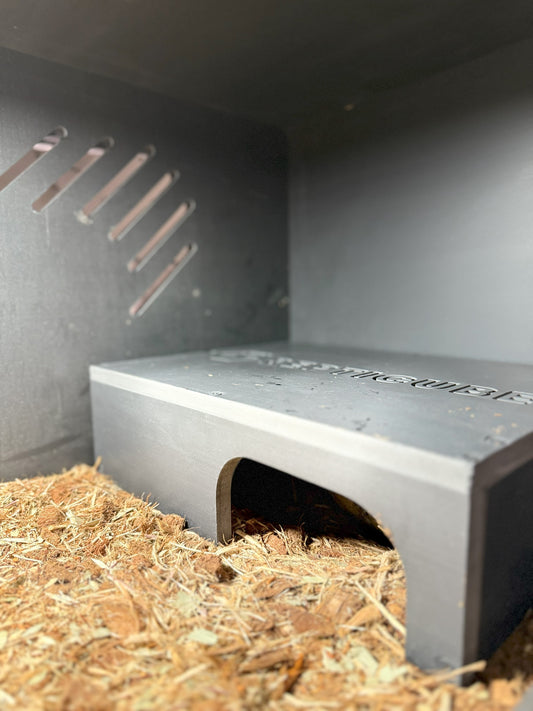
- Multiple hides: at least one per level/zone so your gecko always has somewhere to retreat that doesn't force a temperature or humidity trade-off — a Hide Cave with Humidity Pot does both jobs at once
Feeding Guide
Crested geckos are omnivores that eat mostly fruit-based diets with occasional insects on the side — in captivity, that's almost always led by a complete powdered crested gecko diet (CGD) rather than insects alone.
- Staple diet: a complete CGD powder mixed with water to a yoghurt-like consistency, offered on a dish or feeding ledge like the Gecko Feed Magnetic Ledge — our Hikari CrestGel is a ready-to-use alternative that needs no mixing
- Juveniles (under about 12 months): CGD daily, with appropriately sized feeder insects offered 1-2 times a week
- Adults: CGD every 2-3 days, with insects offered once a week or so as enrichment rather than a dietary necessity
- Water: a shallow dish, topped up and misted regularly — most crested geckos drink droplets off leaves and enclosure walls rather than straight from a bowl
Remove uneaten fresh food within a day to avoid mould, and keep feeding dishes elevated off the substrate where possible to cut down on accidental substrate ingestion.
Handling Tips
- Give a new gecko at least two weeks to settle in before any handling
- Start with short sessions — a few minutes every other day — and build up gradually rather than handling daily from day one
- Let your gecko walk from hand to hand rather than gripping or restraining it; crested geckos are quick to jump and surprisingly athletic for their size, so handle low to the ground or over a soft surface
- Never pick one up by the tail — it can drop the tail as a defence response, and a dropped tail doesn't grow back
- Watch for a gecko that's vocalising (a soft chirp or bark), gaping, or trying to flee repeatedly — that's a clear "not now," so put it back and try again another day
- Wash your hands before handling to avoid transferring food scents, lotions, or soap residue
Diseases & Health
- Metabolic Bone Disease (MBD) — soft or bent jaw, wobbly limbs, or a limp, "floppy" tail that can't grip; usually comes down to insufficient calcium, vitamin D3, or UVB over time. Dusting CGD and insects appropriately and offering low-output UVB both help prevent it
- Floppy tail syndrome — a droopy or kinked tail tip, often linked to geckos resting for long periods clinging to smooth vertical glass; furnishing the enclosure with branches and textured climbing surfaces so your gecko can rest in a more natural posture is thought to help
- Impaction — loss of appetite, bloating, or straining to pass waste, generally linked to swallowed substrate or prey that's too large; feeding off a dish or ledge reduces the risk
- Dehydration — sunken eyes, lethargy, or wrinkled skin that doesn't plump back up; almost always a humidity or misting problem
- Stuck shed — retained skin, especially around toes and the tail tip, which again traces back to humidity that's too low
- Weight loss or persistent appetite loss — worth monitoring over time; brief dips around shedding are normal, but ongoing loss is a reason to see a reptile-savvy vet
- Any of the above that doesn't resolve quickly, or anything that looks like a genuine emergency, is a reason to call a vet rather than wait it out
Quick Care Sheet
| Adult size | ~20cm, 35-45g |
| Lifespan | 15-20+ years |
| Enclosure (adult) | 45 x 45 x 60cm minimum, taller/larger preferred |
| Basking area | 28-29°C (optional) |
| Cool area | 21-24°C |
| Night-time | 18-22°C |
| Humidity | 60-80% average, drier by day, mist evenings |
| UVB | Low-output (2-6%), optional but recommended |
| Feeding (juvenile) | CGD daily, insects 1-2x weekly |
| Feeding (adult) | CGD every 2-3 days, insects ~1x weekly |
| Handling | Short sessions, build up gradually |
Crested geckos reward keepers who get the climbing space and humidity rhythm right with one of the calmest, lowest-maintenance geckos you can own — no heat-hungry basking setup required, just a tall, well-planted home and a consistent misting routine.

-
Crested Gecko 1
Regular price R 1,200.00 ZARRegular price

You may also need this
-
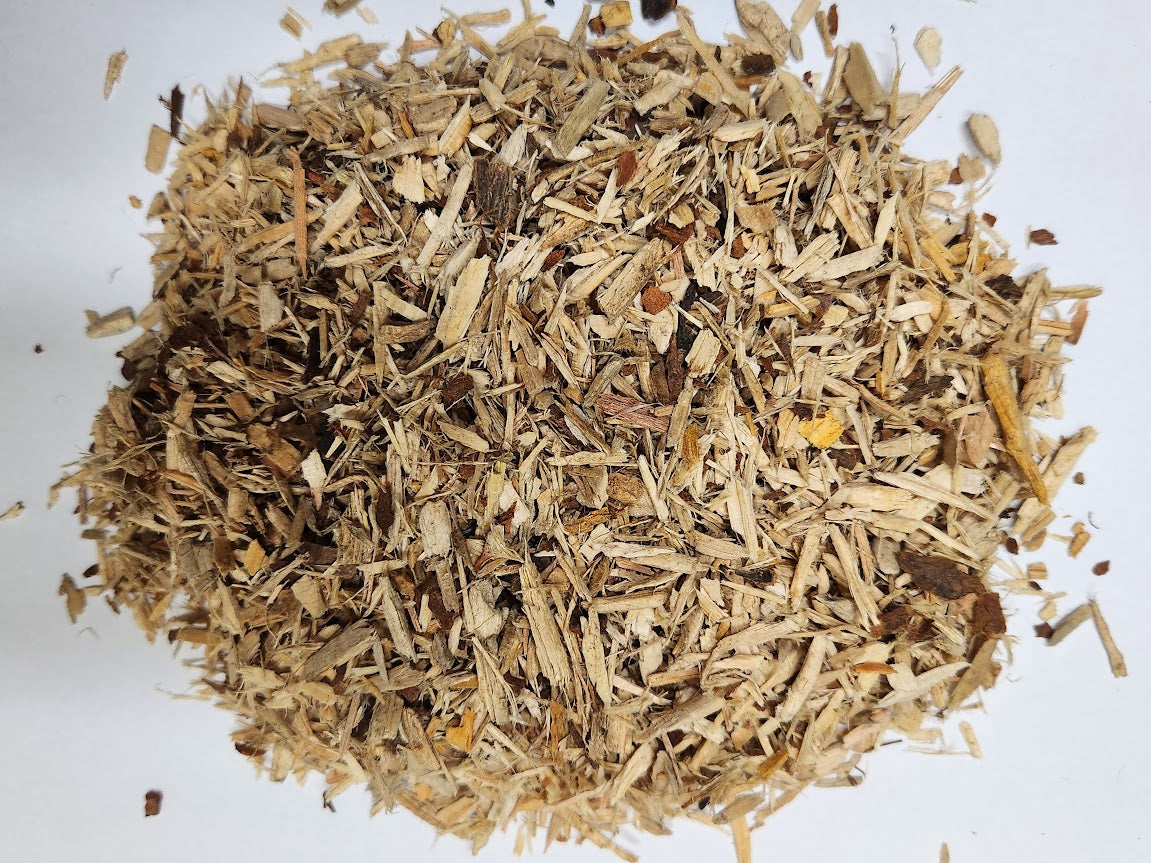
Substrates
The right substrate does more than fill your terrarium—it supports your reptile’s...
-
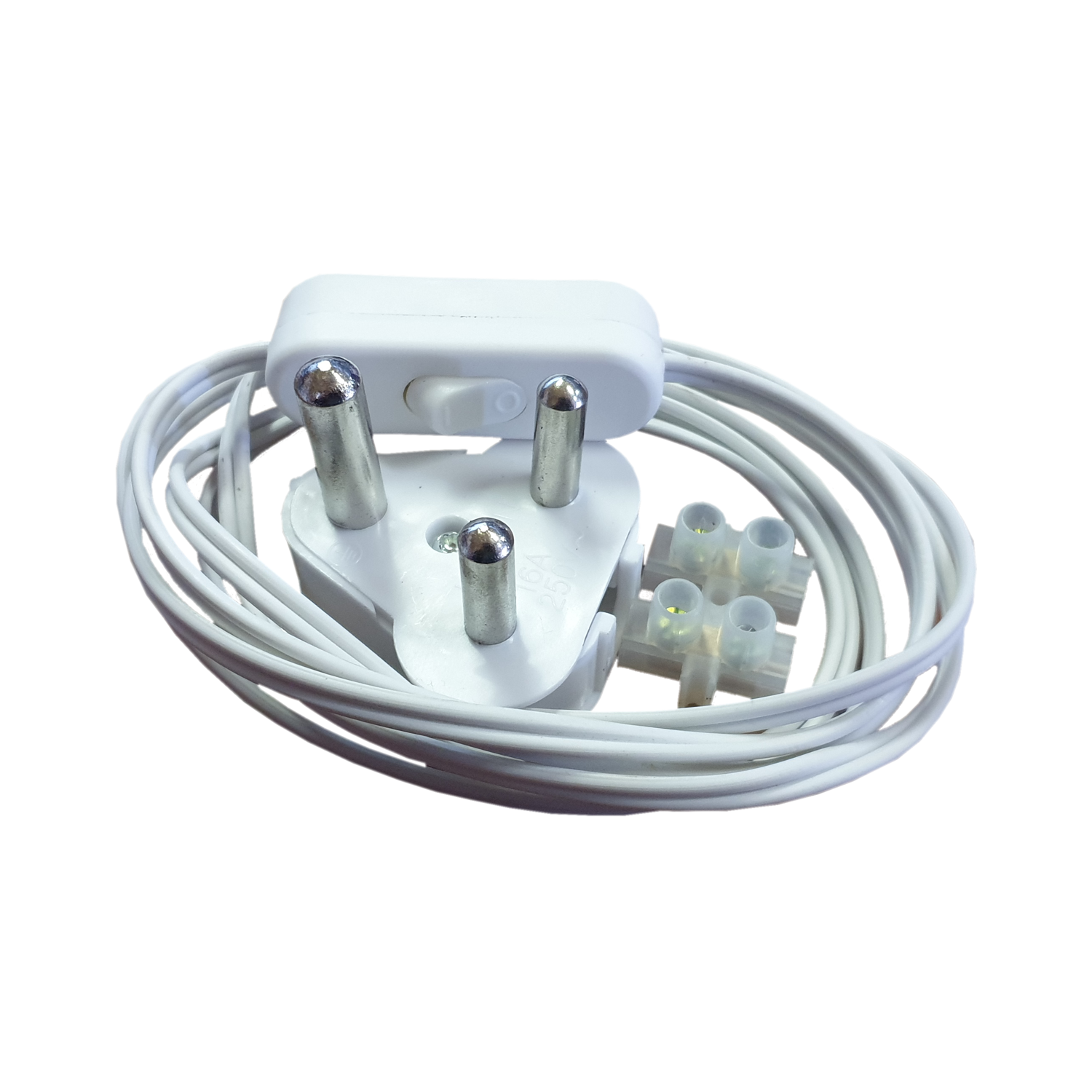
Electric components
Ensure your reptile enclosure has the perfect environment with our electric components....
Let's talk Reptile
View all-
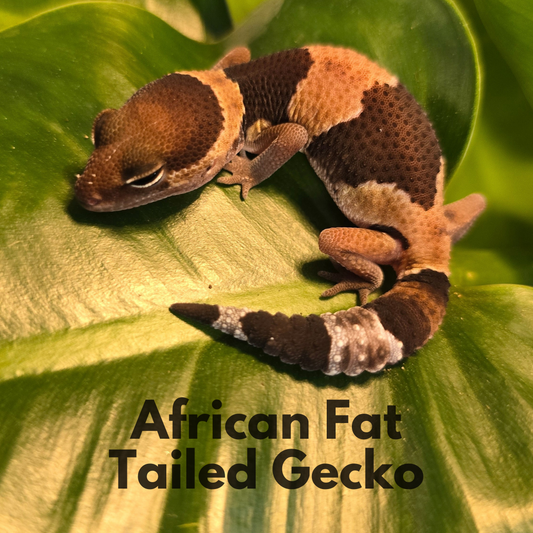
Meet the African Fat Taile Gecko
The African Fat-Tailed Gecko is a gentle, ground-dwelling reptile native to West Africa, known for its striking banded appearance and docile temperament. Ideal for both beginners and breeders, this gecko...
Meet the African Fat Taile Gecko
The African Fat-Tailed Gecko is a gentle, ground-dwelling reptile native to West Africa, known for its striking banded appearance and docile temperament. Ideal for both beginners and breeders, this gecko...
-
How to Create a Bioactive Terrarium – A Complet...
A bioactive terrarium is a self-sustaining ecosystem designed to replicate the natural habitat of reptiles and amphibians. It includes essential layers such as a drainage layer, bioactive substrate, and live...
How to Create a Bioactive Terrarium – A Complet...
A bioactive terrarium is a self-sustaining ecosystem designed to replicate the natural habitat of reptiles and amphibians. It includes essential layers such as a drainage layer, bioactive substrate, and live...


