
Collection: Ball Python Care Guide
Ball Python Care Guide
Ball pythons are one of the most popular pet snakes in the world, and it's easy to see why: they're calm, they're famously reluctant to bite, and they come in more colours and patterns than almost any other reptile you can keep. They're also a much bigger commitment than most people expect going in — a ball python can easily outlive a family dog. Here's what you actually need to know before bringing one home.
Quick Facts
- Species: Python regius
- Size: Males 110–130cm, females 115–135cm as adults — females are noticeably heavier-bodied
- Lifespan: 15–30 years in captivity. This is a decades-long commitment, not a starter pet you'll outgrow in a couple of years
- Temperament: Docile and famously non-aggressive. Their defence move isn't to strike — it's to curl into a tight ball, which is exactly where the name comes from
- Origin: Western and Central Africa, where they spend most of their time in burrows and termite mounds, coming out mainly at dawn, dusk, and after dark
Meet the Ball Python
In the wild, ball pythons are ambush predators that spend the bulk of their life underground or tucked into a burrow, only becoming active in the cooler, more humid hours. That single fact explains almost everything about how to keep one well: they want a secure, enclosed hide far more than an open, brightly lit tank, and they need humidity levels most other pet snakes don't. Get the hide situation and the humidity right, and a ball python is one of the easiest, calmest snakes you can own. Get either one wrong, and you'll be dealing with stress, feeding refusals, and shedding problems.
Shopping List
Before your ball python comes home, you'll want:
- A properly sized PVC enclosure for its current size
- A digital temperature controller/thermostat — never run a heat source without one
- A heat mat sized to your enclosure
- A humidity-retentive substrate such as coco husk
- At least two hides — one on the warm side, one on the cool side
- A sturdy water bowl large enough to soak in
- A hygrometer to actually measure your humidity, not guess at it
- Feeding tongs so mealtime and handling time stay clearly separate
If you'd rather not source everything piece by piece, the Ball Python Starter Kit bundles an RCB90 enclosure, hide, heat mat, thermostat, LED light, and substrate into one setup built for juvenile-to-adult ball pythons, and the Juvenile Ball Python Starter Kit is sized specifically for hatchlings through to around 1.5 years old.
Enclosure Size
Ball pythons should be sized up in stages as they grow, the same as most snakes — but because adult females in particular get considerably heavier-bodied than a corn snake, the end enclosure needs to be bigger too.
- Hatchling: A snug, secure space like the RC30 or RC40 works well while your snake is still small — ball pythons are shy by nature, and too much open space at this stage tends to cause stress and feeding refusals, not confidence.
- Juvenile (under about 90cm): The RC40 carries a ball python comfortably through most of its first year to year and a half, which is exactly why it's what we build the Juvenile Starter Kit around.
- Adult: Once your ball python is approaching full length, it needs real floor space — at least 120 × 60 × 60cm, which is why the RC120 is our recommendation for a full-grown adult, especially a female. The RCB90 in our standard starter kit will comfortably see a ball python well into adulthood, but a heavy-bodied adult female will ultimately be happier with the extra floor space the RC120 gives her.
Whatever the size, opaque PVC walls matter more here than with most snakes — ball pythons that can see out on all sides tend to stay more stressed than ones with a properly enclosed, den-like space.
Heating & Humidity
This is the section that trips up more new ball python owners than anything else, because the humidity requirement is genuinely higher than almost any other commonly kept snake.
- Warm hide: 30–32°C
- Cool side: 22–27°C
- Night-time drop: 21–26°C is fine — ball pythons don't need a scorching tank around the clock
- Humidity: 60–80% during the day, rising to 80–100% overnight and through shed cycles
That humidity range is not a typo, and it's not optional — this is a species that spends its life in humid burrows, and low humidity is behind most of the stuck-shed and respiratory problems keepers run into. A digital thermostat on your heat mat is essential — never run heating unregulated. For humidity, a proper hygrometer tells you what's actually happening in the enclosure, and a misting system or fogger takes the daily guesswork out of hitting those numbers, especially through a dry Highveld winter.
Substrate
Because humidity retention matters so much more here than with a drier-climate species, substrate choice pulls double duty as part of your humidity strategy, not just bedding.
- Coco husk holds moisture well, is easy to spot-clean, and is our go-to recommendation for ball pythons
- Sphagnum moss, used as a full substrate or packed into a dedicated humid hide, is excellent for holding moisture right where your snake sheds
- Skip aspen and dry wood shavings — they're fine for drier-climate species, but they won't hold the humidity a ball python actually needs
Enrichment & Decor
Ball pythons aren't big climbers the way some arboreal species are, but a low branch or two, some background plants (real or artificial), and — most importantly — multiple properly sized hides make a real difference to how settled your snake is. A ball python that can fully conceal its body in a snug hide will feed, shed, and behave far more normally than one that can't.
Feeding Guide
- Prey size: Roughly 10–15% of your snake's body weight. A 400g ball python takes a 40–60g rodent
- Frozen-thawed, always: Thaw overnight in the fridge, then warm the prey to around 38–40°C before offering it with tongs
- This species fasts — that's normal: Ball pythons naturally go off food for weeks at a time, especially over cooler months or around breeding season. Young adult females around the 1kg mark are notorious for extended fasting periods. As long as body condition stays reasonable, this usually isn't cause for panic — but a prolonged fast alongside weight loss is worth a vet check
- Use tongs, not fingers — keeps feeding responses and handling time clearly separate in your snake's mind
Handling Tips
- Handle 1–2 times a week, never more than once a day — ball pythons don't need daily interaction to stay tame
- Give a new snake at least two weeks to settle in before any handling
- Wash your hands before you pick your snake up, to avoid any confusion with feeding scents
- Support the body with both hands — never lift or hold by the tail
- If your snake curls into a tight ball while you're holding it, that's stress, not aggression. Put it back and try again another time
- Don't handle within 24–48 hours of a meal, and skip it while your snake's eyes have gone cloudy blue ahead of a shed
Diseases & Health
- Respiratory infection — wheezing, clicking sounds, or mucus around the mouth or nose usually trace back to temperatures or humidity that are off
- Stuck shed — almost always a humidity problem; a properly stocked humid hide is your best prevention
- Mites — small, dark, fast-moving specks, often first noticed around the eyes or chin
- Not eating — normal fasting is common in this species, but pair it with weight loss over time and it's worth professional attention
- Any of the above lasting more than a few days, or anything that looks like a genuine emergency, is a reason to call a reptile-savvy vet rather than wait it out
Quick Care Sheet
Adult size |
110–135cm |
Lifespan |
15–30 years |
Enclosure (adult) |
120 × 60 × 60cm minimum |
Warm hide |
30–32°C |
Cool side |
22–27°C |
Humidity |
60–80% day, 80–100% night/shed |
Feeding |
10–15% body weight, frozen-thawed |
Handling |
1–2× weekly |
Ball pythons reward patient, humidity-conscious keepers with one of the calmest, longest-lived snakes you can own. Get the setup right from day one, and yours should settle in without much drama at all.
Shop the full ball python range at repticube.com.
For a full care guide, please visit the Ball Python Care guide.

No products found
Use fewer filters or remove all
You may also need this
-
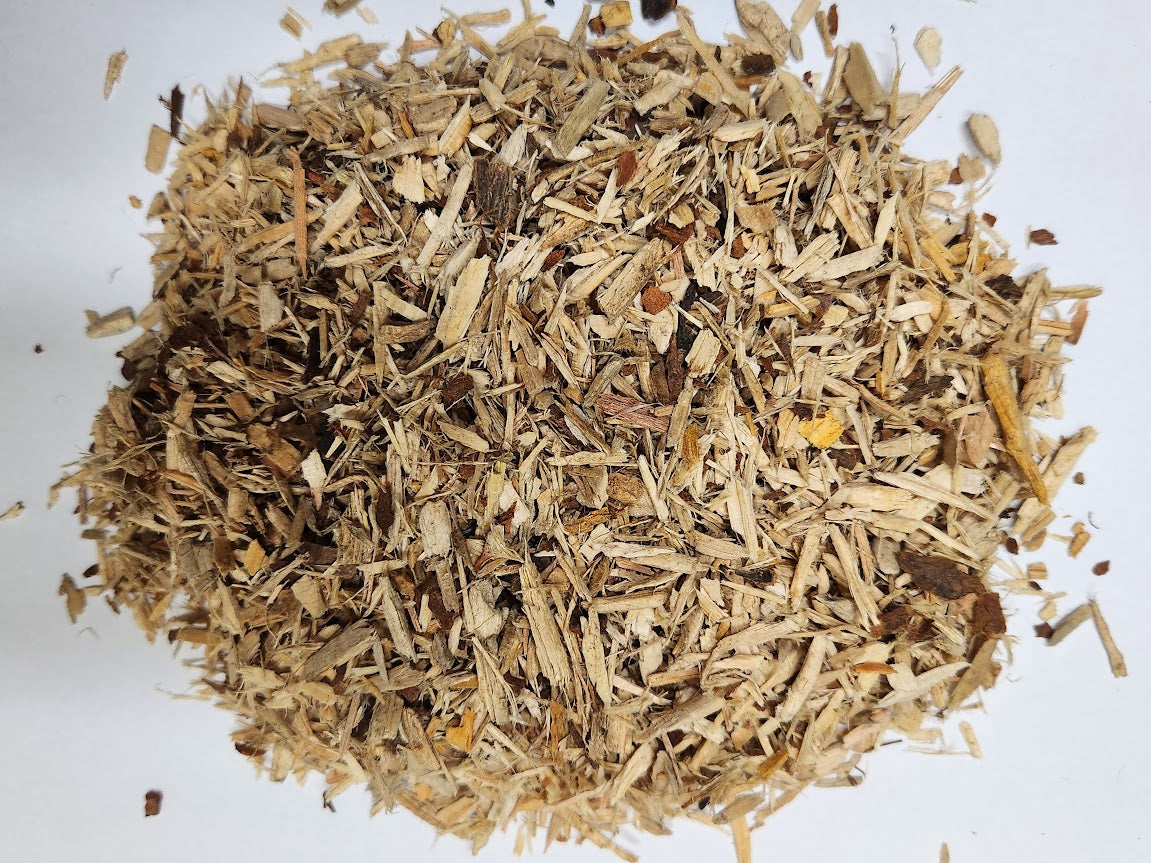
Substrates
The right substrate does more than fill your terrarium—it supports your reptile’s...
-
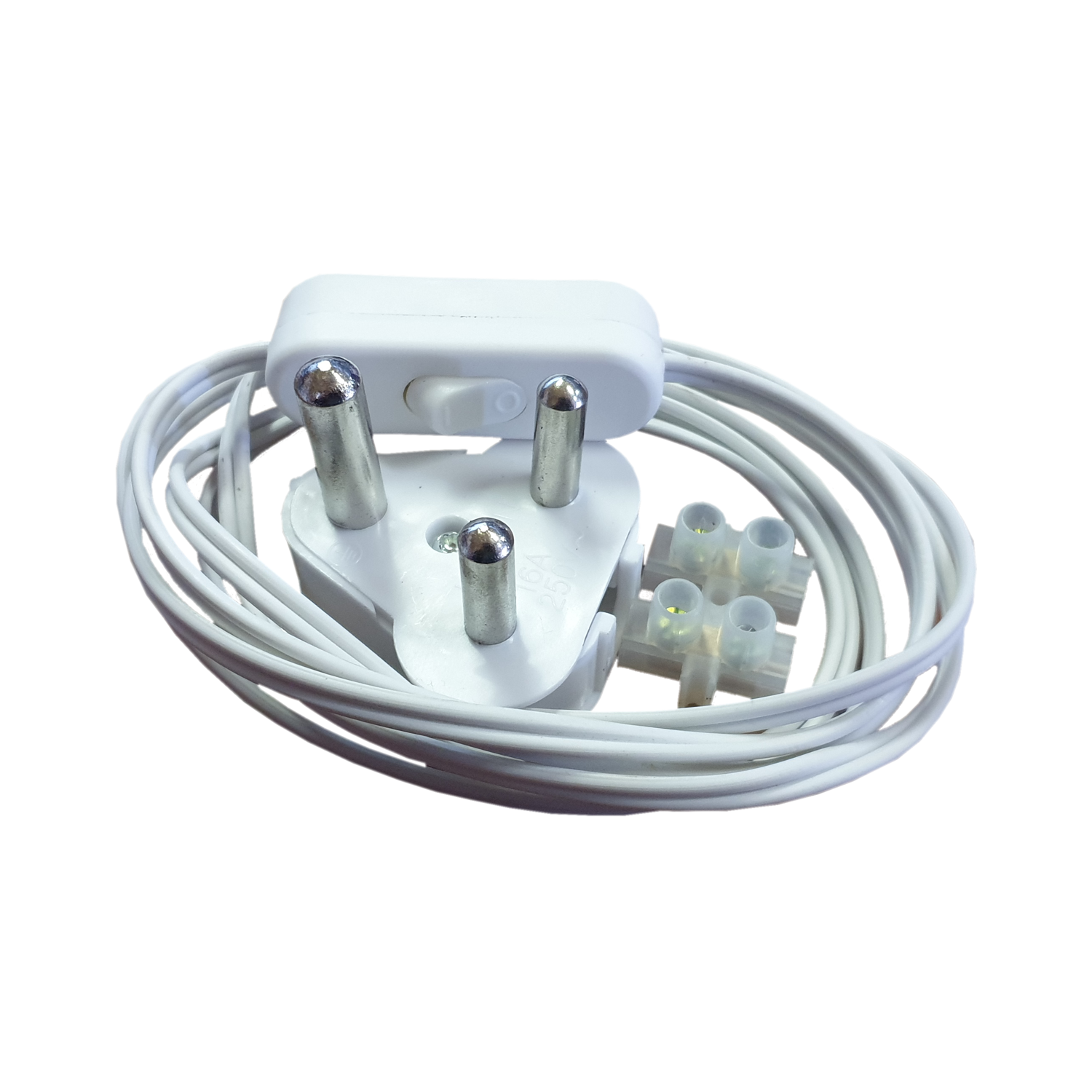
Electric components
Ensure your reptile enclosure has the perfect environment with our electric components....
Let's talk Reptile
View all-

Ball Python Care guide
Ball Python Care Guide Ball pythons are one of the most popular pet snakes in the world, and it's easy to see why: they're calm, they're famously reluctant to bite,...
Ball Python Care guide
Ball Python Care Guide Ball pythons are one of the most popular pet snakes in the world, and it's easy to see why: they're calm, they're famously reluctant to bite,...
-
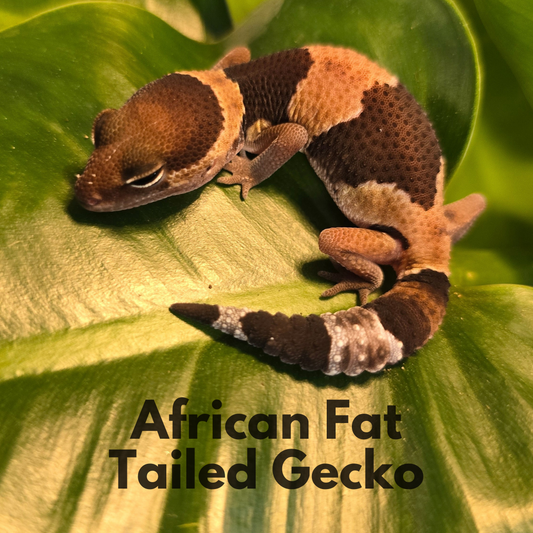
Meet the African Fat Taile Gecko
The African Fat-Tailed Gecko is a gentle, ground-dwelling reptile native to West Africa, known for its striking banded appearance and docile temperament. Ideal for both beginners and breeders, this gecko...
Meet the African Fat Taile Gecko
The African Fat-Tailed Gecko is a gentle, ground-dwelling reptile native to West Africa, known for its striking banded appearance and docile temperament. Ideal for both beginners and breeders, this gecko...


